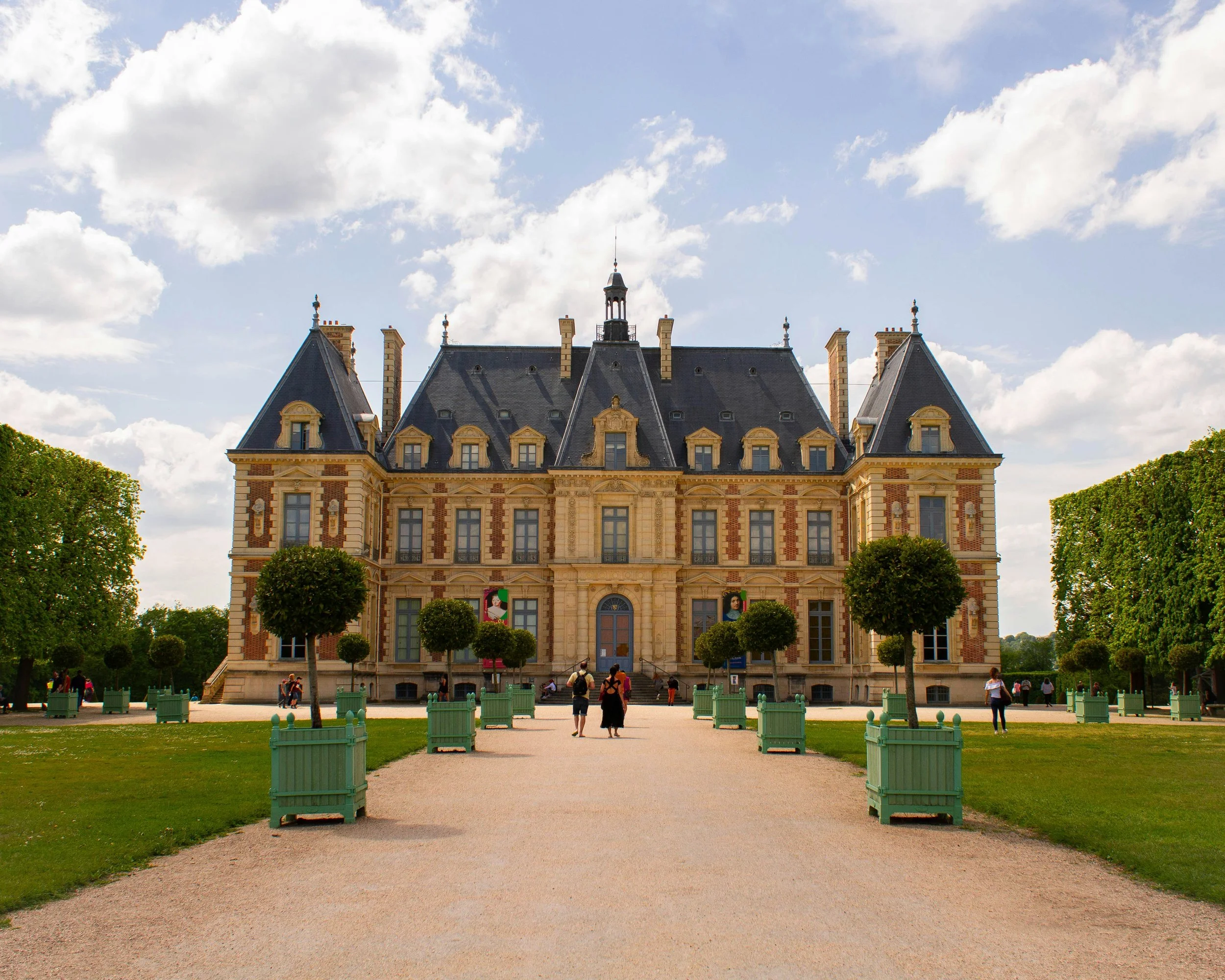
A wedding in France can be a joyful way to bring family and friends together around a place, a meal, and a few days of celebration. But planning from the United States means juggling more than a venue shortlist: you’ll need to think about legal paperwork, travel, language, timing, and how your guests will experience the whole weekend.
Start with one question before you book anything: Do you want your marriage to be legally performed in France, or do you want a celebration in France after getting legally married elsewhere?
That decision can shape your paperwork, timeline, and choice of venue. Once you’ve made it, the rest of the planning becomes much easier to organize.
First, decide what “getting married in France” means
There are two common approaches:
Have the legal civil marriage in France. You’ll need to contact the mairie—the local town hall—responsible for the place where you hope to marry and ask about your eligibility and document requirements. French rules about where a civil marriage may take place can depend on a connection to the commune, so don’t assume that a destination venue alone makes you eligible. Confirm the details directly with the relevant mairie before making nonrefundable plans.
Complete the legal marriage in the United States and hold a symbolic ceremony in France. This can simplify the French paperwork, while still giving you a ceremony and celebration in the place you’ve chosen. Be clear with guests and vendors about which ceremony is legally binding and which is symbolic.
The right choice depends on your circumstances and priorities. If you hope to marry legally in France, make the mairie your first call—not a late-stage paperwork check.
Ask about legal requirements before booking the venue
For a civil wedding in France, the local mairie is the practical starting point. Ask for its written checklist, including who is eligible to marry there, what documents are required, how recent those documents must be, whether translations or authentication are needed, and when the paperwork must be submitted.
Requirements can vary with nationality and personal circumstances. A U.S. couple should not assume that a document list from another couple—or a general online checklist—will apply to them. The U.S. Department of State also advises Americans to check the requirements for marriage in the country where they plan to marry.
A practical rule: get the mairie’s instructions in writing, then work backward from its deadlines. Don’t order translations or apostilles until you know exactly which documents the mairie will accept and in what form.
Choose a location for the experience, not just the photographs
France is not one wedding setting. A city celebration, a countryside gathering, and a vineyard-area weekend each create different logistics for you and your guests. Consider:
How guests will get there: How many changes will they need to make after arriving in France? Will they need a rental car, a shuttle, or local taxis?
Where people can stay: Are there lodging options at different price points, and can guests book them without relying on one property?
How far apart the events are: A venue may look close on a map but still require careful transport planning for a group.
What you want the weekend to feel like: A formal single-day event calls for a different plan from a relaxed gathering with several meals and time together.
If Bordeaux is on your shortlist, think about the city and the surrounding area in terms of guest travel and the shape of your wedding weekend—not only the setting. Before choosing a venue, ask how guests will move between accommodation, the ceremony, and the meal.
Build a timeline that leaves room for distance
Planning across time zones can make small questions take longer to resolve. Give yourself space to compare vendors, get answers, and make decisions without relying on a string of last-minute video calls.
A flexible planning sequence
First: Set your priorities and guest estimate. Decide what matters most: the ceremony, food, a particular setting, or time with guests. A realistic guest estimate will make venue and accommodation choices more manageable.
Next: Confirm the legal route and location. If you want a civil ceremony in France, check eligibility and paperwork with the mairie. If you plan to marry legally in the U.S. first, decide what kind of symbolic ceremony you want in France.
Then: Shortlist venues and key vendors. Compare what each option includes, what it does not include, its payment terms, its cancellation policy, and the support available in English. Ask for the full contract before paying a deposit.
After that: Plan travel and guest information. Share practical guidance early: the nearest arrival points, recommended booking windows, local transport considerations, and whom guests can contact with questions.
As the date approaches: Reconfirm the details. Check arrival times, dietary needs, transport arrangements, setup responsibilities, and the schedule for each part of the celebration. Keep the final version in one shared document.
These are planning suggestions, not official deadlines. Your mairie, venue, and vendors may have their own timelines.
Plan the meal as part of the celebration
Food can give the wedding weekend a strong sense of place, but “French food” is not one fixed menu. Talk with your caterer or chef about the style of meal you want, how it fits the schedule, and what will make it comfortable for your guests.
Before signing, ask:
What is included in the food and service proposal?
Can the team accommodate allergies and dietary requirements?
Who supplies drinks, tableware, and staffing?
How are arrival times, setup, and cleanup handled?
What is the backup plan if weather changes an outdoor meal?
You might also decide whether you want the meal to be the main event or one part of a longer weekend. If you’re considering a welcome dinner, a vin d’honneur—a reception with drinks and light refreshments—or a meal the day after, check that each option works with your venue and catering arrangements.
If Bordeaux is part of your plans, Gang of Bordeaux’s culinary event or private-chef services may be worth exploring for a food-centered part of the celebration. Ask directly whether the service fits your event’s format and requirements; don’t assume a standard wedding package is available.
Make the guest experience easy to understand
Guests traveling from the U.S. may be unfamiliar with local transport, French event terminology, or how the weekend is structured. A clear, practical wedding website or information sheet can prevent a lot of individual messages.
Include:
The event schedule and addresses
Transport guidance between locations
Accommodation suggestions
Dress-code explanations, if needed
Meal and dietary information
A contact for urgent travel questions
If your celebration includes a cérémonie laïque—a nonreligious, symbolic ceremony—say so plainly. Clear language helps guests understand what to expect and whether there will also be a legal ceremony.
Think beyond the wedding day
A destination wedding often becomes a shared trip for guests, so consider the time around the ceremony as well. A simple welcome gathering or an unhurried meal can help people connect, especially if they’ve traveled a long way.
Accommodation is part of that planning. If you’re considering Villa Montgolfière in Bordeaux, confirm directly whether its room-by-room or whole-house arrangements suit your group, dates, and event plans. Don’t assume that lodging availability means the property is also a wedding venue.
Questions to ask before you commit
Before paying a deposit, make sure you can answer these questions:
Have we confirmed whether we can legally marry in the intended French commune?
Do we understand which documents are required and when?
Does the contract explain payment, cancellation, and what is included?
How will guests get between accommodation and the event?
Who is responsible for food service, setup, and cleanup?
What changes if the weather or travel plans disrupt the schedule?
A wedding in France doesn’t need to be complicated, but it does benefit from doing the high-stakes checks early. Confirm the legal route first, choose a location that works for your guests, and build a schedule that gives the food, travel, and celebration room to breathe. Then you can focus on what brought you there in the first place: sharing a meaningful day with the people you love.